
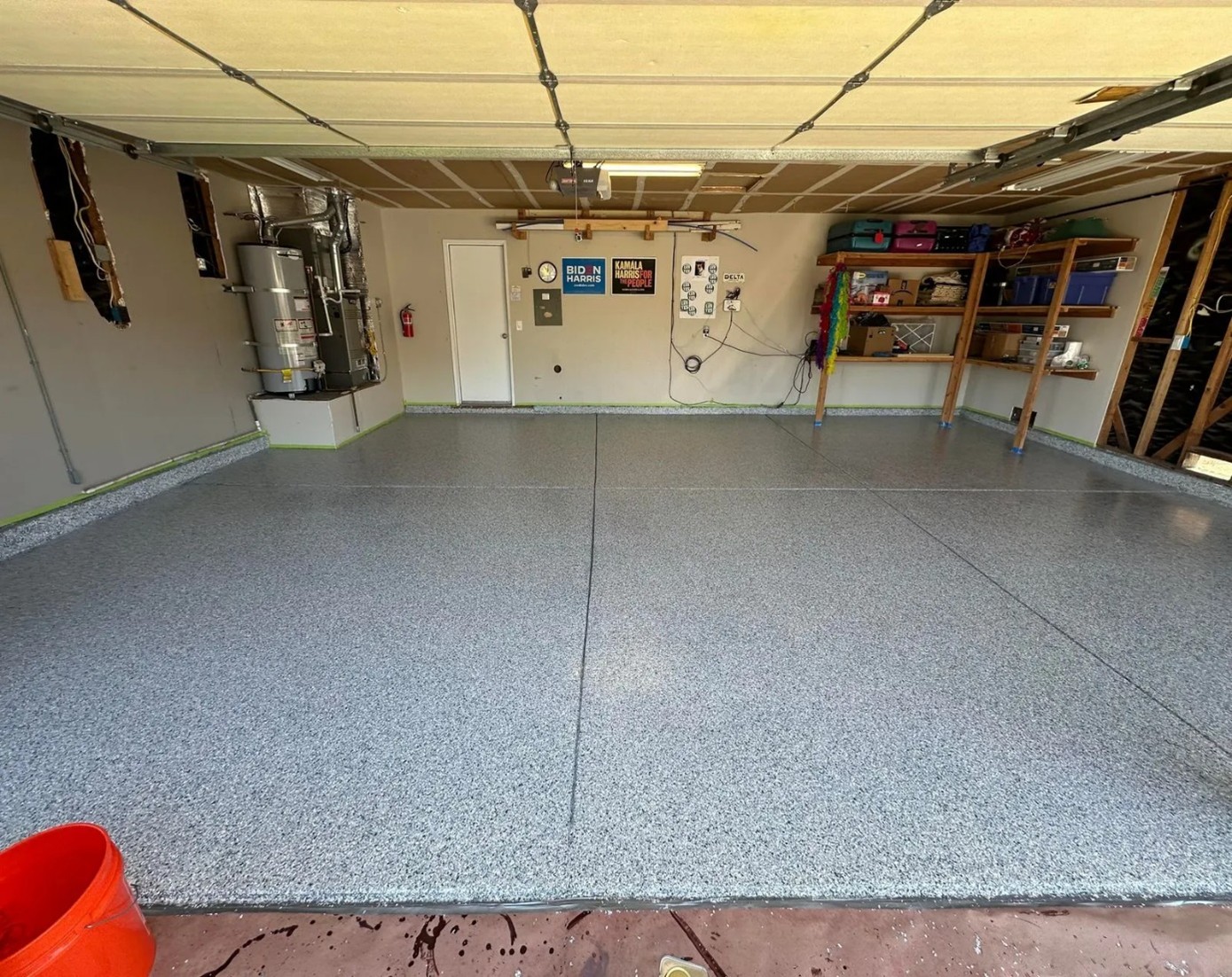
Concrete surfaces usually wear down quietly before the damage becomes obvious during regular daily use around homes and commercial spaces. Tire marks, moisture, chemical spills, and heavy foot traffic slowly weaken untreated concrete over time underneath everything. That steady wear explains why many property owners now invest in garage flooring systems for garages, workshops, and industrial environments regularly.
Some spaces also require stronger materials that handle heat, impact, and moisture more effectively than standard coatings indoors. That is where polyurethane cement systems started becoming more common for demanding environments needing extra durability afterward. Surface protection matters heavily there, honestly.
Surface Damage Often Starts Underneath First
Most people notice visible cracks or stains before realizing the actual problem usually begins deeper inside the concrete slab itself. Moisture slowly enters weak areas while temperature shifts create expansion pressure throughout the floor over longer periods. Surface wear eventually becomes harder to repair after regular use continues daily.
Professionals installing garage flooring systems normally inspect slab conditions carefully before applying coatings or surface treatments indoors. Grinding, cleaning, and crack repair all affect how well materials bond with concrete afterward. Preparation stages influence durability more than appearance usually does.
Some Environments Need More Than Standard Epoxy
Regular epoxy coatings work well for many residential garages, although some industrial settings require stronger resistance against chemicals and extreme temperature conditions daily. Manufacturing spaces, food processing areas, and commercial kitchens often place heavier stress on flooring materials throughout the year continuously.
That is one reason polyurethane cement systems became popular inside demanding industrial environments needing stronger thermal and chemical resistance overall. These systems handle moisture and heat differently compared to thinner decorative coatings afterward. Product selection depends heavily on actual working conditions there.
Decorative Garage Floors Became More Popular Recently
Garages no longer function only as parking spaces because many homeowners now use them as gyms, hobby rooms, and workshops regularly. Flooring appearance suddenly became part of home renovation planning instead of an afterthought indoors. Decorative textures and color blends gained attention quickly over recent years.
A lot of garage flooring projects now include flake finishes and satin coatings instead of plain gray concrete surfaces everywhere. Matte textures hide dirt better while glossy surfaces reflect more light across enclosed spaces afterward. Small finish choices affect maintenance routines surprisingly often.
Moisture Creates Long-Term Flooring Problems
Concrete naturally absorbs moisture over time, especially inside buildings where ventilation remains limited during different seasons throughout the year. Moisture trapped beneath coatings slowly weakens adhesion and eventually creates bubbling or peeling underneath the surface later. Many flooring problems begin quietly below visible layers first.
Experienced installers using polyurethane cement materials usually test moisture conditions before applying systems across larger industrial floors carefully. Environmental conditions affect curing speed and bonding strength more than people initially expect honestly. Small moisture issues become expensive later.
Heavy Traffic Changes Flooring Performance Quickly
Warehouses, garages, and industrial buildings place repeated pressure on flooring systems through machinery, vehicles, and constant foot traffic daily. Thin coatings wear down much faster inside demanding environments without strong abrasion resistance underneath everything continuously. Surface durability matters more than decorative appearance there usually.
Businesses investing in garage flooring systems often compare impact resistance and cleaning requirements before selecting finishes for larger commercial projects indoors. Different products perform differently depending on chemical exposure and traffic conditions afterward. Product selection changes maintenance expectations significantly.
Conclusion
Concrete flooring systems require careful preparation, realistic maintenance expectations, and materials suited properly for environmental conditions and daily surface demands. Rhynopoxycoatings.com provides practical flooring information that helps property owners compare coating systems without confusing technical explanations or exaggerated marketing claims online. Reliable garage flooring installations can improve durability while creating cleaner and easier-to-maintain surfaces across residential and commercial properties alike. Professionally installed polyurethane cement systems also provide strong protection for industrial spaces exposed to moisture, chemicals, and heavy traffic regularly.